Guard the Grates, Protect the Waters

Today we explore Storm-Drain Guardians: Small Actions Pedestrians Can Take to Prevent Runoff Pollution, turning every walk into protection for rivers, lakes, and coasts. Storm drains often carry street grime straight to waterways, untreated. With a pocket-sized toolkit, a mindful eye, and a few repeatable habits, you can block litter, leaves, oils, and bacteria before rain sweeps them away. Join in, compare notes with neighbors, and watch small curbside choices create cleaner creeks downstream.

Where Rainwater Really Goes

Look past the curb and you’ll see a fast, efficient highway for water and everything it carries. Most curb inlets send flows to pipes, ditches, and outfalls that bypass treatment entirely. That means cigarette filters, fertilizer dust, and pet bacteria travel with the storm, reaching ponds, rivers, estuaries, and beaches within hours.

Street Rivers, Hidden Outfalls

After rain, gutters transform into temporary rivers, scouring every loose crumb toward grated mouths. Follow the flow mentally downhill, and imagine it emerging from a pipe into a creek where children wade and herons feed. What enters here does not vanish; it simply relocates, magnified by momentum.

No Magic Filter at the Curb

Many people assume grates hide sophisticated traps that strain pollution away. In most neighborhoods, that hardware is only a protective screen for leaves and ankles. The carriage underneath is just a smooth conduit. If contamination reaches the inlet, it likely reaches the stream, diluted, dispersed, and still damaging.

Pocket the Small Litter, Save Big

Rescue candy wrappers, straw sleeves, and bottle caps before wind strings them along the curb. A sandwich bag or reusable pouch keeps pockets clean and ready. Over a month, even three items a day prevent handfuls of plastic from rafting into gullies, storm pipes, marshes, and finally, the open water.

Cigarette Butts: The Underestimated Hazard

Filters are plastic fibers laced with nicotine and heavy metals that leach into puddles. One butt can contaminate liters of water for small organisms. Scoop them with a tissue, drop into your pouch, and bin responsibly later. This thirty-second rescue spares countless larvae, minnows, and invertebrates from an avoidable toxic dose.

Leaves and Grass Clippings Are Not Harmless

When rain hits piles of yard debris, nutrients wash out, fueling algal blooms that rob water of oxygen. Kick or sweep small clumps away from grates, and encourage neighbors to bag or compost. Keeping plant matter off the curb keeps dissolved nitrogen and phosphorus from cascading into creeks after storms.

Before the Storm, After the Storm

Scan intersections for stray plastic utensils, fertilizer prills, and pet waste smears. Use a gloved hand, a small brush, or even a sturdy leaf to direct material away from inlets. Five minutes per block, especially before big fronts, prevents hours of downstream cleanup and needless stress on aquatic life.
Walk the same route after showers and look for telltale wrack lines, oily sheens, and stained curbstones. These marks map the energy of flowing water. Photograph patterns, note recurring trouble spots, and plan light, regular maintenance. Small, steady attention beats occasional heroic efforts when the next forecast turns stormy again.
Choose a nearby grate, give it a memorable name, and check it weekly. Many cities support adopt-a-drain programs with simple signups and fun reminders. Share before-and-after photos to inspire friends. Personal connection shifts chores into care, and consistency keeps gutters flowing, birds feeding, and neighborhood streams running clear after storms.

Bag, Tie, Bin—Every Time

Carry extra bags, knot them tightly, and use public cans or your bin at home. Never leave bags beside grates or under shrubs, where rain dissolves contamination into runoff. Each properly contained pickup prevents bacteria spikes downstream and keeps neighborhood lawns, sidewalks, and parks safer after the next thunderstorm.

Choose Smarter Routes

Prefer streets with fewer inlets during rainy spells, and favor grassy strips or bioswales that absorb drips and splashes. Avoid walking pets through puddles brimming with oil and soap residue. Small detours and timing adjustments lower the chance of tracking pollutants toward grates while still enjoying a refreshing daily outing.

Mini Litter Kit in Your Pocket

Pack a folding grabber or glove, a sealable pouch, and a spare tissue for delicate pickups. Add a tiny hand sanitizer for comfort. This pocket kit makes the difference between hesitation and action, turning a noticed problem into a quick save long before runoff carries debris toward vulnerable waters.

Leak-Spotting and Quick Reporting

Watch for rainbow sheens, paint dumps, or milky wash water drifting toward inlets. Photograph the source and call your city’s hotline or submit a report through its stormwater app. Timely alerts mobilize crews, protect fish, and deter repeat spills, proving that observant pedestrians can safeguard waterways without confrontation or risk.

Suds-Free Suds: Rethink Outdoor Washing

If you see driveway car washing sending soaps toward the curb, kindly suggest a commercial carwash that recycles and treats water. When cleaning porch furniture, dump buckets on lawns or gardens where soil filters residues. Avoid hosing food spills into gutters; absorb with towels, bag, and bin the mess instead.

Micro-Challenges That Spread
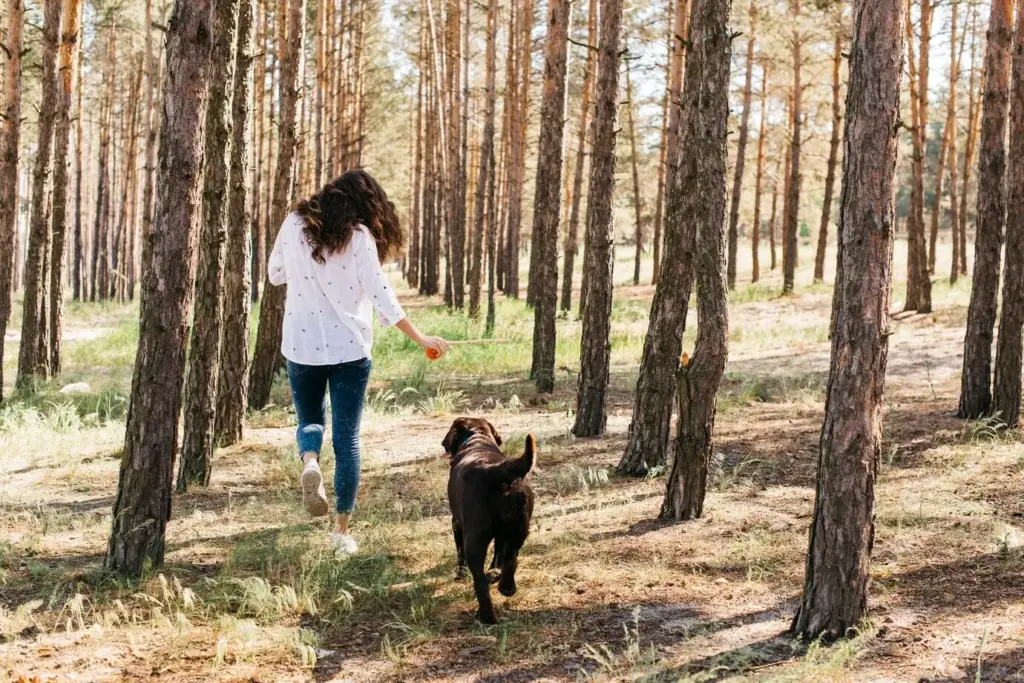
Try a week of picking three items per block, then post a cheerful snapshot and invite two friends. Prompts like pre-storm sweeps, butt rescues, or leaf clears build friendly accountability. Layer in a simple hashtag and neighborhood pride to transform occasional participation into an ongoing, visible culture of watershed care.

Schools, Scouts, and Small Businesses

Approach local classrooms, youth groups, and storefronts with ready-to-go checklists and seasonal goals. Ten-minute curb checks before rainy weekends cut measurable pollution. A storefront that keeps its inlet clear inspires adjacent shops. Celebrate these micro-partnerships with window stickers and shared updates that attract customers who value clean, resilient, welcoming streets.

Celebrate Wins with Data

Keep a simple tally of items intercepted, drains cleared, or reports filed, and share totals monthly. Numbers energize volunteers and reveal trends. Pair data with short stories and photos to humanize progress. Invite readers to subscribe, comment, and swap tactics so successful approaches travel quickly across blocks and seasons.

Myths, Answers, and Encouragement

Clarity empowers action. Misunderstandings about storm infrastructure and water quality can stall helpful habits, while straightforward explanations unlock motivation. By addressing common questions with empathy, real examples, and practical alternatives, we turn skepticism into curiosity, then commitment. Keep asking, keep learning, and keep taking small steps that protect living waters every week.
Ruvatumetafetifi
Privacy Overview

This website uses cookies so that we can provide you with the best user experience possible. Cookie information is stored in your browser and performs functions such as recognising you when you return to our website and helping our team to understand which sections of the website you find most interesting and useful.