City Walks, Wagging Tails, Cleaner Trails
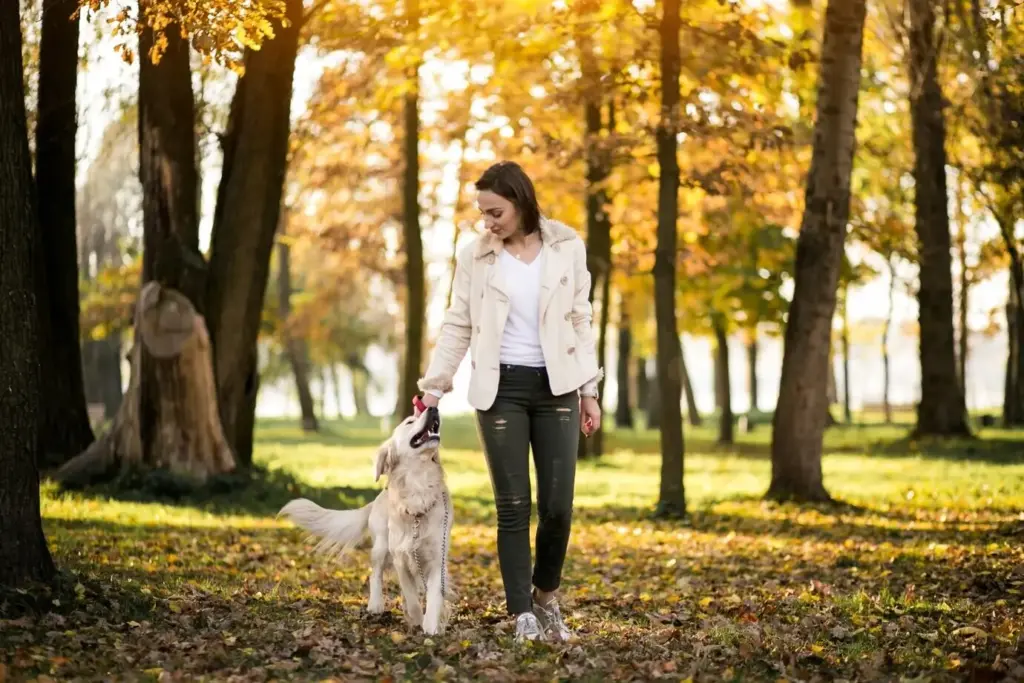
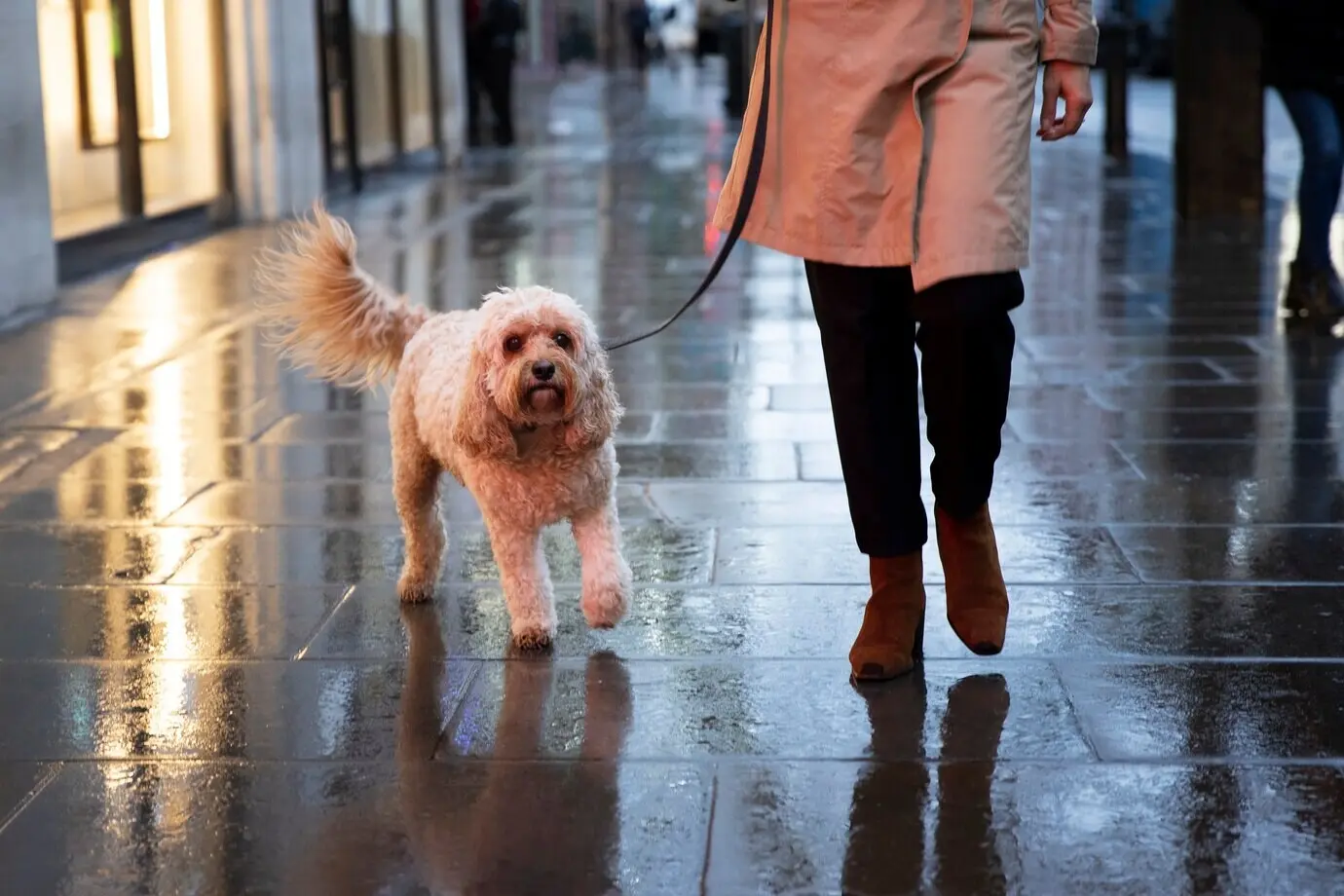
Today we’re exploring dog-walking with a green twist: eco-friendly waste practices on city streets that keep paws light and neighborhoods sparkling. From smarter bag choices to confident, courteous pickups in crowded places, discover practical habits, real stories, and science-backed insights that turn everyday walks into tiny environmental victories. Share your tips, swap experiences, and help shape a kinder urban landscape where dogs, people, and waterways thrive together.

From Lawn to Storm Drain: What Science Says
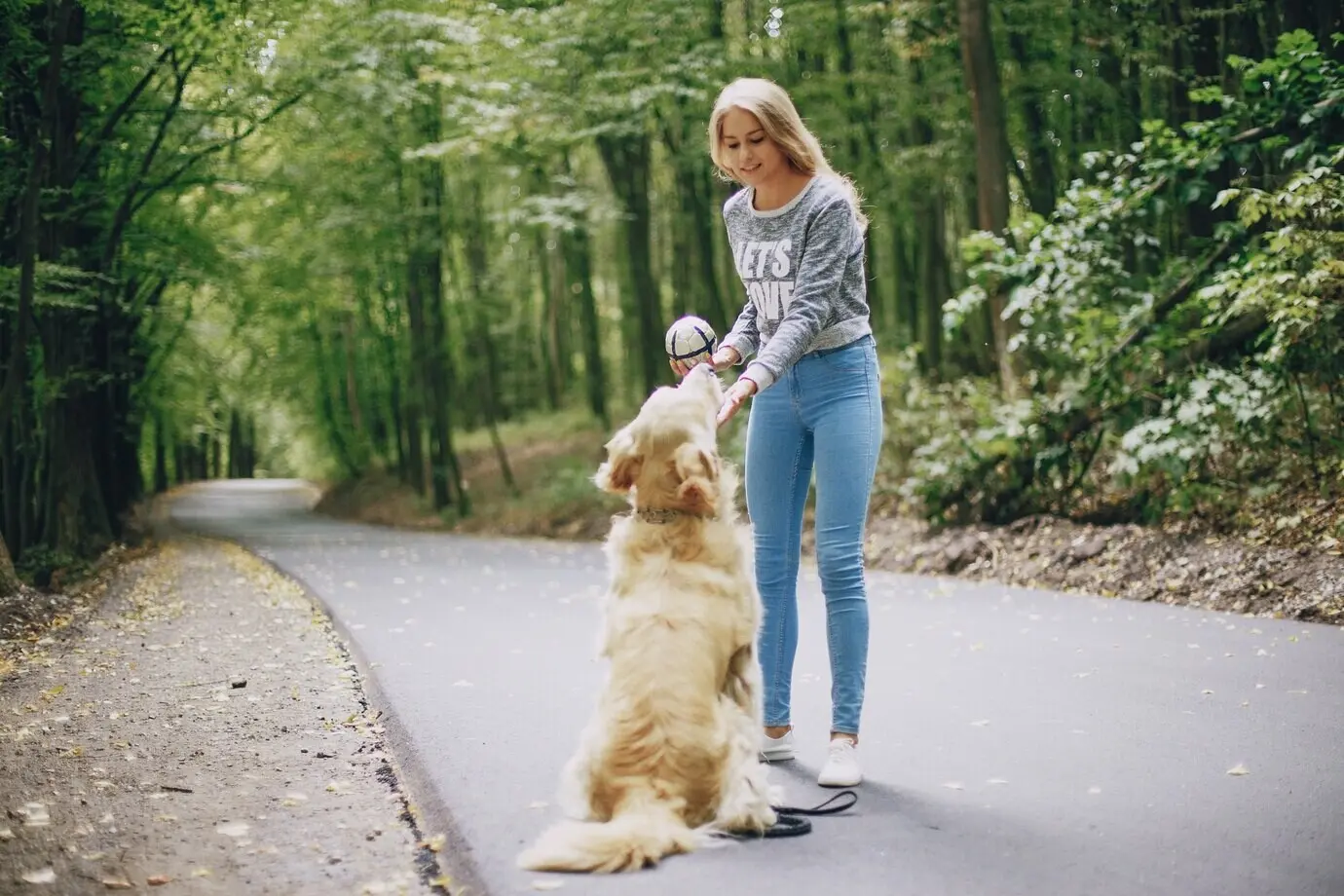
Rain doesn’t politely avoid forgotten piles. It mobilizes microbes, nitrogen, and phosphorus, pushing contamination toward drains designed for water, not sewage. Studies routinely link pet waste to E. coli spikes after storms. Routine pickup, sealed bags, and proper disposal interrupt that pathway, giving trees, soils, and streams breathing room while helping cities meet water-quality goals without costly emergency cleanups.

A Morning on Maple Avenue

Picture a brisk loop before work: coffee steam, wagging tails, cyclists passing. Maria pauses twice, bags ready, wipes hands, and tosses sealed bundles into a lidded bin. Neighbors nod, grateful for clear sidewalks. Weeks later, fewer flies gather near tree pits, and the block chat praises small, repeatable habits that make everything feel more cared for.

Health First for Dogs, Kids, and Creeks

Left behind, waste can harbor roundworms, Giardia, and harmful bacteria that transfer by shoes, stroller wheels, and paws. Prompt pickup breaks exposure chains for curious toddlers, snuffling noses, and nearby wildlife. Cleaner walking routes support mental calm, safer play, and friendlier street interactions, creating a virtuous cycle where courtesy and public health reinforce each other every single day.

Gear That Respects the Planet

You don’t need a backpack of gadgets, just durable, honest tools. Choose sturdy dispensers, reliable clips, and truly compostable or paper-based bags when your local disposal allows it. Avoid gimmicks that tear under stress or whisper vague claims. Keep a minimalist kit anchored by comfort, readiness, and long-life materials, and you’ll be prepared for every surprise without overconsuming.

Bags Without the Empty Promises

Beware “oxo-degradable” plastic, which fragments into microplastics rather than safely breaking down. Look for certified home or industrially compostable standards where facilities accept pet waste, or use thick paper bags for trash-only routes. Prioritize tear resistance, dependable seams, and clear labeling. When rules vary, choose the most straightforward option: a robust bag that seals tightly and actually reaches the proper bin.

Pocket Kits That Keep You Ready

Consistency thrives on convenience. Clip a refillable dispenser to your leash, tuck spare rolls into jacket pockets, and stash a backup kit by the door. Add a small hand sanitizer, a reusable wet-wipe sleeve, and a lightweight flashlight for dark corners. When every walk begins with readiness, pickups feel effortless, calmer, and kinder to both passersby and the environment.

Leashes, Clips, and Hands-Free Helpers

Hands-free leashes and secure carabiners free you to manage bags without wrestling a tugging companion. Choose comfortable, long-lasting materials, then add a small dedicated clip for sealed bags until you find a bin. These tiny quality-of-life upgrades reduce fumbling, prevent littering, and make it easy to model responsible behavior, especially when sidewalks are busy and distractions multiply quickly.

Smarter Pickup Techniques for Busy Sidewalks

Crowded streets can make even simple scoops awkward. Practice steady leash control, position your body as a windbreak, and create a small respectful bubble while you work. Seal the bag before moving, double-bag only when necessary, and keep calm eye contact brief. Your confidence sets a friendly tone that reassures cyclists, runners, and neighbors navigating the same narrow space.

One-Handed Scoops That Actually Work

Pre-open a bag and cuff it over your hand before you bend. Keep the dog slightly behind your leading foot, then scoop, invert, twist, and knot in one smooth motion. Secure the knot firmly to block odor. Practice at home with clean objects to build muscle memory, so real-world pickups feel graceful rather than rushed or clumsy.

Wind, Rain, and Slush Tactics

Hold the opening downwind, tuck corners to reduce sail effect, and brace your stance. In rain, aim for quick, decisive movements and knot twice if the bag thins. On slushy curbs, choose stable footing before reaching. Keep a second bag handy for leaks, then store sealed waste away from splash zones until you locate a bin that closes tightly.

Sorting Rules Change by City

Check municipal websites or signage on street bins. A few communities pilot pet-waste composting or digestion; many forbid it. Where only landfill is allowed, use sturdy bags and knot tightly. If green bins exclude pet waste, respect that boundary to prevent contamination fines and program shutdowns. When unsure, ask a local steward or email the sanitation department directly.

Public Bins, Pet Stations, and Overflow Days

Aim for lidded bins and pet stations with liners to curb odor and pests. If a bin is overflowing, do not stack bags nearby where they spill and burst; carry the bundle to the next container. Report chronic overflow via city apps, and encourage neighbors to pack out waste during events when sidewalks fill faster than collection schedules.

What About Flushing or Composting?

Flushing only where explicitly permitted and with approved water-soluble bags avoids plumbing surprises and treatment issues. Home composting of pet waste requires dedicated systems, separate from edible gardens, and careful temperature control; many households skip it for safety. When in doubt, choose secure landfill disposal while advocating for pilot programs that responsibly expand better infrastructure over time.

Community Habits That Multiply Impact

Buddy Walks and Neighborhood Challenges

Pair up for accountability and fun. Track a week of perfect pickups and reward yourselves with a local coffee. Organize a month-long tally where every sealed bag equals a point for your block. Friendly competition lights up participation, turning routine chores into shared achievements that newcomers quickly adopt because the energy feels positive, visible, and welcoming.

Polite Signals and Encouraging Notes

Judgment shuts doors; encouragement opens them. Short, upbeat signs near tree pits, plus discreet dog icons on shared maps, nudge courteous behavior without shaming. Thank-you stickers on pet stations or quick notes in community chats build momentum. Replace scolding with gratitude, and watch how people rise to match the affirmation wherever they leash up before stepping outside.

Volunteering to Map Hotspots

Use simple mapping apps to mark frequent problem corners, windy corridors, and bins that overflow by afternoon. Share patterns with the city or business improvement district to adjust collection timing or add stations. Your observations guide better routes and real fixes. Invite others to contribute, then celebrate improvements publicly so volunteers feel their effort change the street.

Routes, Timing, and Mindful Movement

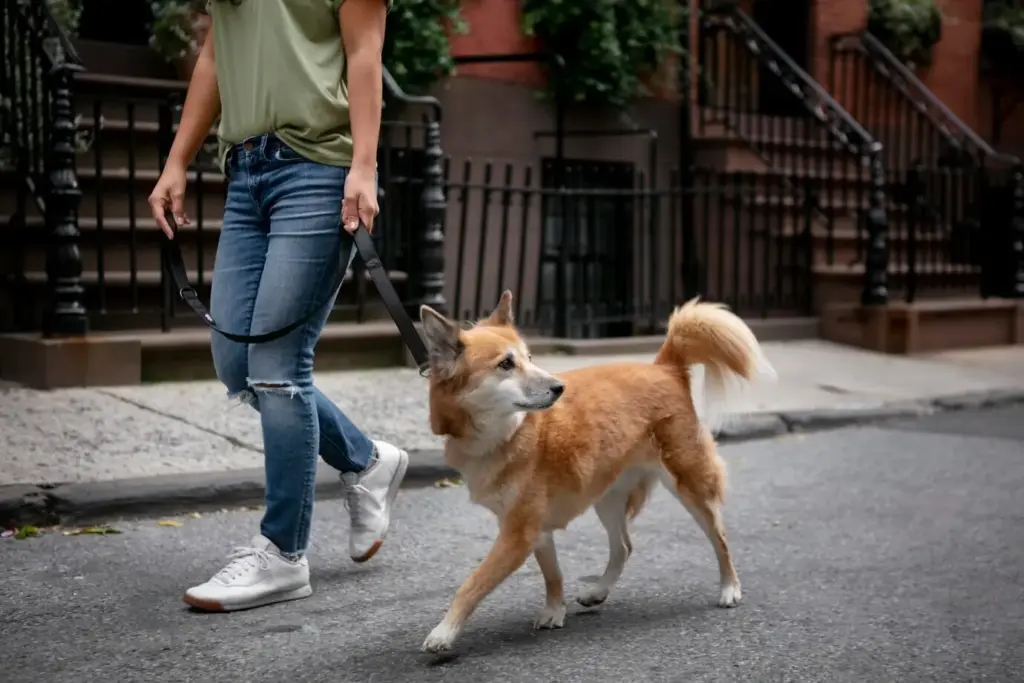
Thoughtful planning prevents messy surprises. Choose routes with reliable bins and calmer curbs, avoid flood-prone corners after storms, and adjust timing so you’re not juggling rush-hour chaos. Short, engaging sniff breaks tire the brain while reducing sprinty pulling. Share your favorite low-stress loops in the comments, and subscribe for seasonal route guides built from community wisdom.
Ruvatumetafetifi
Privacy Overview

This website uses cookies so that we can provide you with the best user experience possible. Cookie information is stored in your browser and performs functions such as recognising you when you return to our website and helping our team to understand which sections of the website you find most interesting and useful.