Walk, Notice, Nurture: Small Acts That Grow Big City Shade

Today we dive into Street Tree Stewardship on the Go: Tiny Ways Walkers Can Support Urban Canopies, turning everyday strolls into gentle care sessions that help leaves shine, roots breathe, and neighborhoods feel cooler. No special gear, only curiosity, kindness, and a few intentional minutes that compound into healthier streets.

See the Living Infrastructure Beneath Your Feet

Once you notice street trees as essential city infrastructure, you begin to recognize their silent work: cooling heat islands, filtering air, buffering storms, and lifting moods. Observant walkers can spot early warning signs, share sightings, and nudge small positive changes that ripple through entire blocks and communities.

Pocket-Sized Care: Actions You Can Do While Walking

Small, repeatable gestures matter more than rare grand efforts. Carry a collapsible bottle, pack lightweight gloves, and pause for ninety seconds at a nearby pit. These moments unlock cumulative benefits: lighter soil, unobstructed trunks, and neighbors who notice and join, multiplying care across countless steps and cooling summers ahead.

Water by the Liter, Not the Flood

Slow waterings are kinder than dramatic dumps that run off the compacted edge. Pour in circles, letting the soil drink between sips. Target dawn or evening if possible. Even one or two liters, delivered regularly, helps young trees bridge heat spikes and support fresh roots without provoking runoff or sidewalk puddles.

Free the Roots from Trash and Compaction

A quick glove on, glove off can liberate a pit from bottle caps, wrappers, and cigarette ends. Gently loosen the top crust with your fingers, never stabbing deeply. This tiny aeration improves infiltration during the next rain, reduces foul smells, and signals respect that discourages new litter from accumulating again.

Report, Map, and Celebrate Using Your Phone

Your smartphone can become a pocket forestry station. Submit simple maintenance requests, pin thirsty trees on shared maps, and compile before-and-after photos that motivate others. Quick documentation shortens response times, attracts volunteers, and showcases the surprising impact of five-minute walks transformed into sustained, neighborhood-scale care and hopeful, cheerful stewardship.

01

Fast Reports That Trigger Real Repairs

A broken limb, loose guard, or clogged pit drain is easy to overlook at speed. A clear photo, precise intersection, and short note to 311 or local forestry nonprofits can trigger inspections within days. These reports save branches, protect pedestrians, and free public crews to prioritize urgent, high-impact fixes efficiently.

02

Crowd-Mapping Pits, Shade, and Species

Collaborative maps turn scattered observations into a living portrait of canopy health. Flag drought-prone pits, note where shade is thin, and record species to diversify future plantings. Patterns emerge across routes you already walk, helping planners connect shaded corridors and neighbors coordinate watering rotations during stubborn, punishing summer heat.

03

Share Small Wins That Inspire Neighbors

Post simple stories: a cleaner pit, a loosened tie, a revived sapling after three days of shared watering. These honest, local victories travel faster than lectures. They invite others to keep a bottle handy, pause with purpose, and enjoy witnessing a block brighten because someone cared during their lunch break.

Seasonal Smarts for Sidewalk Forests
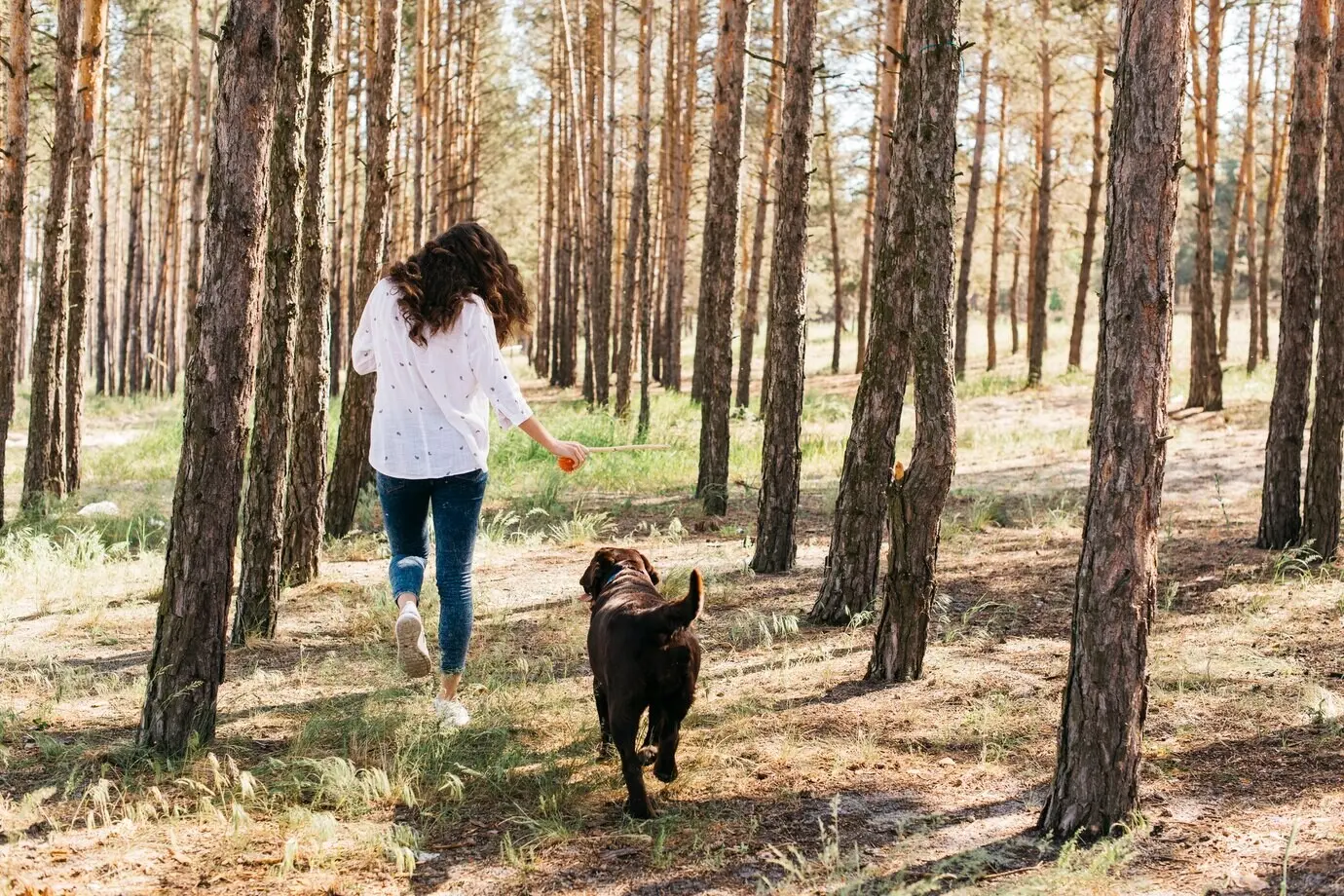
Street trees endure extremes—baking sidewalks, winter salt, and sudden storms. Align your walk-by care with the seasons: deeper watering in heatwaves, gentle cleanups during leaf fall, and protective tactics when snow and deicer threaten roots. Anticipation prevents emergencies and keeps young plantings thriving through unpredictable, increasingly volatile urban weather.

Stories from the Sidewalk: Proof Small Acts Matter
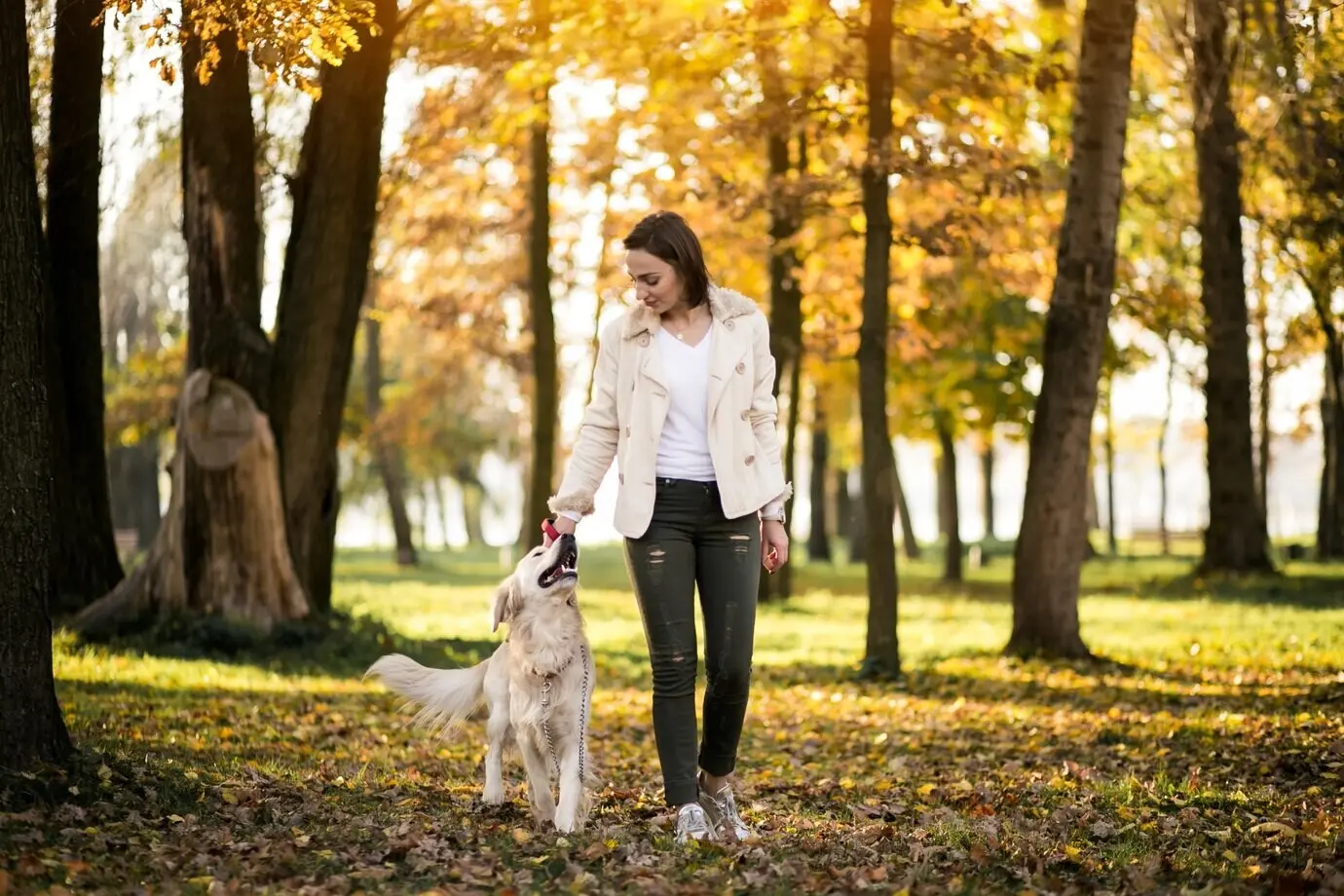
Real blocks tell the best lessons. Short rituals—one bottle before coffee, a minute of tidying after errands—accumulate into greener, friendlier corridors. Share your experiences, however modest. The narrative of everyday walkers stepping up, without fanfare, builds culture, pride, and reliable care that outlasts single events and seasonal campaigns.

A Minimal Kit That Fits Your Pockets
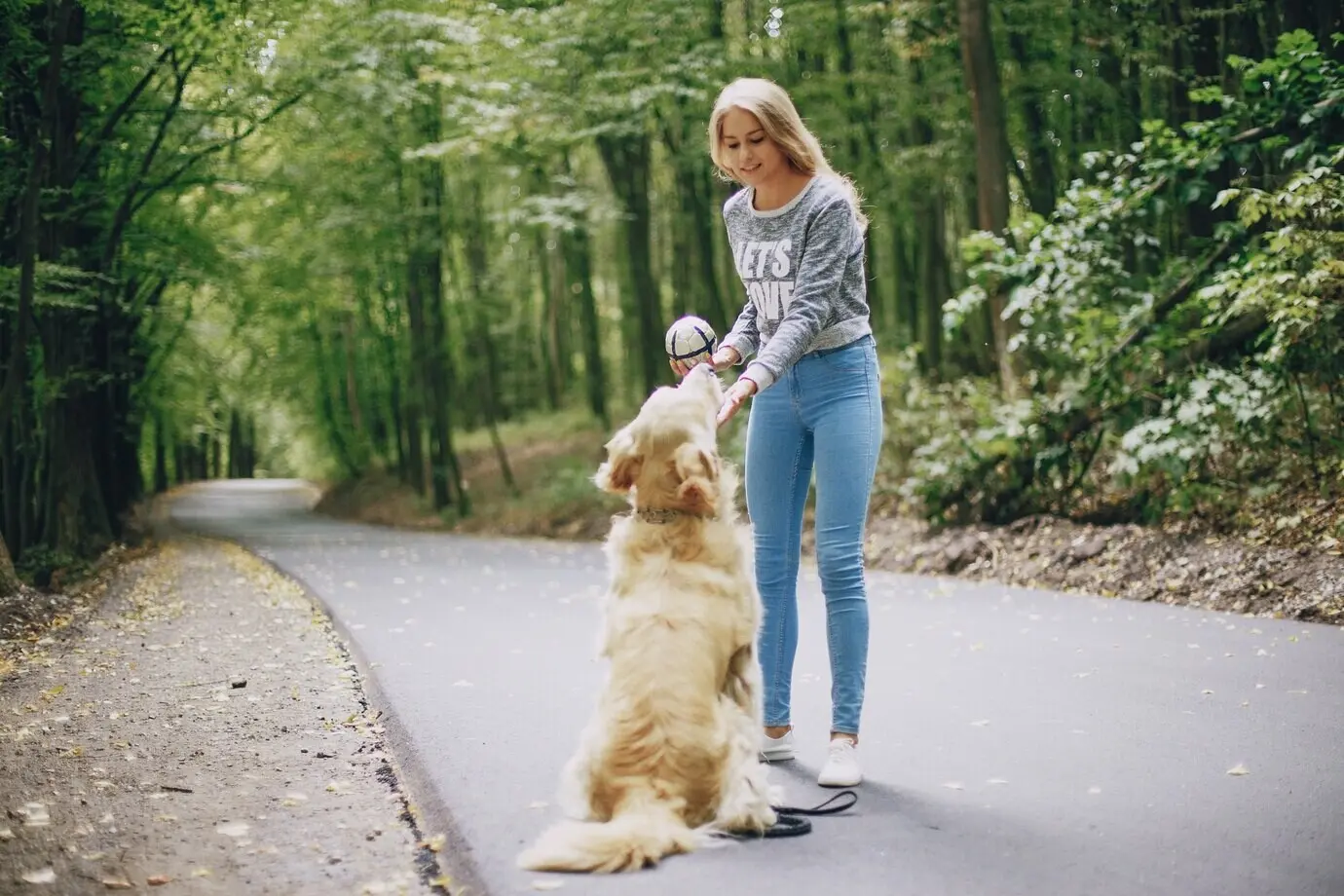
Pack thin gloves, a collapsible water bottle, a small trash bag, and a soft brush for gentle soil loosening. Optional: a reusable zip tie and a pocket notebook to track which pits you visited. This tiny kit turns random errands into restorative micro-missions without weighing you down or attracting unwanted attention.

Safety First around Streets and Tools

Face traffic when you pause, and never step into bike lanes without checking. Keep fingers away from sharp edges on broken guards. Avoid climbing, sawing, or complicated fixes—report instead. If it feels unsafe, it is. Your steady presence and accurate notes are already valuable, especially during hectic commute hours.

Respect Wildlife, Roots, and Neighbors

Street trees host birds, insects, and fungi that form tiny ecosystems. Avoid disturbing nests, and leave harmless mushrooms intact. Keep roots exposed near the flare, never burying them with thick mulch. Smile, explain your quick care, and invite questions. Courtesy turns curiosity into participation and builds a wider, joyful circle.
Ruvatumetafetifi
Privacy Overview

This website uses cookies so that we can provide you with the best user experience possible. Cookie information is stored in your browser and performs functions such as recognising you when you return to our website and helping our team to understand which sections of the website you find most interesting and useful.